
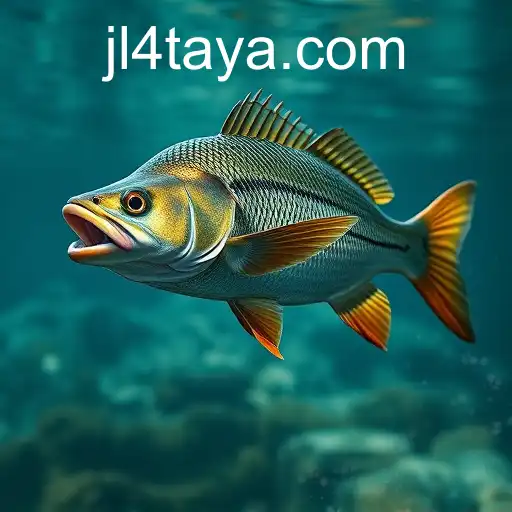
JL4 | Exploring the Depths of Online Fishing: The JL4 Phenomenon
JL4’s Dive into the world of online fishing and unpack the intriguing elements of JL4, a prominent element in virtual fishing ecosystems.
Exploring the Depths of Online Fishing: The JL4 Phenomenon
Online fishing has emerged as one of the most intriguing technological innovations in recent years, blending the serenity of traditional fishing with the excitement of modern virtual reality. Within this space, the term "JL4" has gained significant traction, drawing the attention of both seasoned anglers and digital enthusiasts. In examining online fishing, it is essential to understand the dynamics of how these digital ecosystems operate, with JL4 being a notable aspect of this nuanced field.
The Rise of Online Fishing
Initially, online fishing started as a niche interest among technology-savvy individuals who wanted to bring their love of fishing into the digital age. This involves using applications and platforms that simulate various fishing environments, offering users the ability to cast lines and catch fish virtually. The allure of online fishing lies in its ability to replicate the intricate details of the fishing experience while allowing users the convenience of engaging in the activity from anywhere.
The concept has evolved considerably, incorporating realistic graphics, physics-based simulations, and interactive environments that mimic real-life conditions. This blend of technological immersion and recreational activity has opened up new avenues for both entertainment and skill development.
Understanding the JL4 Phenomenon
JL4 stands as a key component within the world of online fishing, though its exact roots and meaning may lack a universally agreed definition. Often code names in virtual settings allow users to quickly adapt and engage with new updates or features. In this context, JL4 might be employed to label a particular version of a tool or software that provides specific functionalities to users exploring this domain.
Enthusiasts and developers alike speculate on the unique capabilities JL4 might offer, from enhanced graphics to superior fishing mechanics. In any case, its applications serve both as a beacon to draw interest and as a bridge between traditional fishing practices and virtual implementation. The mystery surrounding JL4 adds to its appeal, encouraging a community of users to share their experiences and insights.
The Technology Behind Online Fishing
Creating a captivating online fishing experience requires leveraging several key technologies. To achieve realistic simulations, developers must employ advanced physics engines, high-resolution graphics, and real-time rendering. Moreover, incorporating artificial intelligence can enhance the behavioral patterns of fish and the environment, thus increasing the realism of the activity.
JL4, as it integrates into these technological frameworks, may involve specialized coding or design strategies to optimize the user experience further. Whether it improves interface design, allows for more interactive sessions, or incorporates new methodologies for user engagement, JL4 is a noteworthy addition that pushes the boundaries of what virtual fishing can achieve.
Engaging the Online Fishing Community
Central to the success of online fishing platforms is their community. Online fishing brings together diverse groups of individuals who range from novice to experienced anglers. The integration of JL4-related features often serves as a focal point around which these communities rally. Engaging forums, social media groups, and live streams have become venues for individuals to share tips, tackle challenges, and celebrate the culture surrounding this unique intersection of hobby and digital life.
The collaborative aspect of these platforms allows developers to gain insights from user feedback, driving iterative improvements. JL4 initiatives and forums often become hotspots for discussion, with users debating potential uses and underlying technologies, creating an environment ripe for innovation and camaraderie.
Economic Impact of Online Fishing
The economic implications of online fishing, particularly elements involving JL4, cannot be understated. As interest grows, so does the demand for high-quality content and experiences. This demand translates into significant opportunities within the gaming sector, e-commerce related to digital gear, and other digital experiences forever linked to the JL4 ecosystem. Online markets have expanded, selling virtual bait, custom fishing rods, and other accessories that augment the fishing experience.
In turn, this economic growth has encouraged further investment in developing better technologies that enrich the online fishing experience. The focus remains on improving overall satisfaction while ensuring the platform's profitability and sustainability.
Future of Online Fishing and JL4
The future of online fishing appears promising with continued technological advancements. Innovative platforms are constantly seeking to enhance realism, interactivity, and user experience. JL4 will likely play a pivotal role in this trajectory, offering innovations that add depth and engagement to online fishing endeavors.
Moreover, as virtual and augmented reality systems improve, online fishing will become an even more immersive pursuit, providing a seamless blending of the digital and physical worlds in a way that is accessible and fulfilling. JL4 will be vital in bridging the gap between the present capabilities and future potentials of these platforms.
Conclusion
While traditional fishing continues to be a cherished pastime, the advent of online fishing and the enigmatic JL4 have opened up a new dimension in recreational activities. By leveraging cutting-edge technology and community-driven engagement, the future holds abundant possibilities for innovations that will continue to captivate enthusiasts worldwide.
